 By
By TrustSTAMP, a NASDAQ-listed global technology company specialised in privacy, digital identity and trust services is exploring potential collaboration in Nigeria’s digital ecosystem.
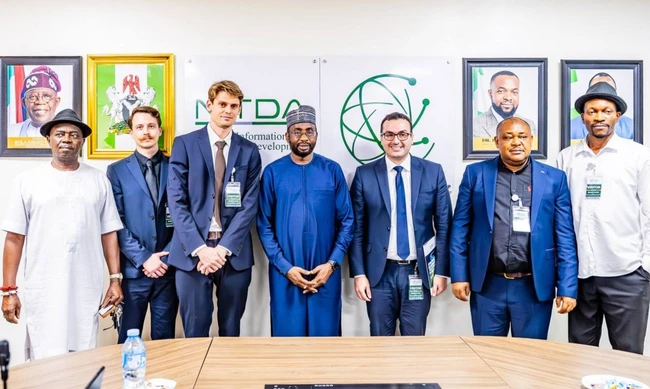
This was a fallout of a meeting between the Director General of National Information Technology Development Agency (NITDA), Mr Kashifu Inuwa and the representatives of TrustSTAMP, Senior Advisor Jean-Claude Gallea, Vice President Jonathan Pasha.
Speaking with Inuwa, the associates emphasised the company’s adaptive, partnership-oriented approach and its existing presence in Nigeria through work with a major telecommunications provider on SIM swap prevention and fraud detection.
The firm highlighted its core biometric tokenisation technology — a one-way, privacy-preserving transformation that enables secure, verifiable tokenisation without storing raw biometric data.
This creates a robust trust layer resistant to fraud, duplication, and future quantum threats, while supporting offline and low-spec device environments.
TrustSTAMP outlined applications ranging from digital identity verification and zero-knowledge proofs to tokenisation of real-world assets (such as minerals and property), fraud reduction, and inclusion of informal economy participants. The technology has been deployed with Mastercard’s Community Pass, major U.S. banks, the U.S. and Mexican governments, and complies with GDPR, SOC 2, and data ethics standards.
Inuwa welcomed the presentation, adding that it aligns with the agency’s cybersecurity and digital trust pillar.
He sought clarity on TrustSTAMP’s business model, whether the solution is open or proprietary, its relationship to national digital identity systems (managed by NIMC), and how it can support private-sector-led market creation without market dominance.
The two sides agreed that further technical discussions would follow with NITDA specialists, while the regulators reiterated its commitment to creating an enabling policy environment for trustworthy, investment-friendly digital infrastructure rather than endorsing specific vendors.
The meeting further shows Nigeria’s openness to strategic private-sector partnerships that enhance digital trust, financial inclusion, and new revenue streams for citizens.