 By
By Journalists across Africa have been called upon to focus on investigative reporting that addresses community base issues, which can drive the desired social and economic changes beneficial to the target community.
According to Pulitzer Program Coordinator, Outreach, Africa, Francesca Ekondaho, what makes investigative journalism impactful today is the link to the community noting that presently, there are different communities around the globe, even around Africa, (7:01) that are having issues at all front of their daily life.
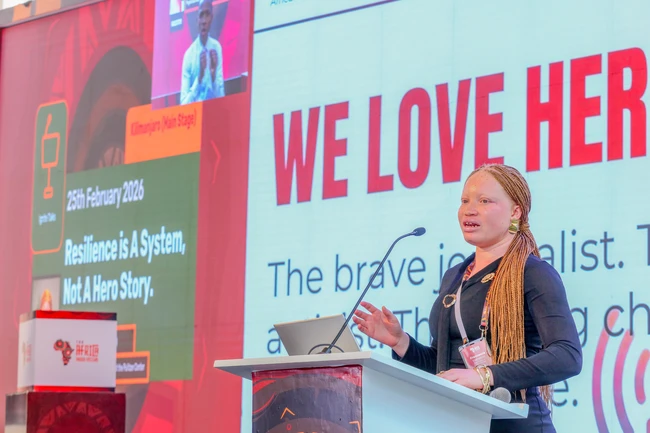
Ekondaho who spoke during a virtual interview for selected journalists across Africa on a recap of the just concluded Africa Media Festival 2026 that was held Nairobi, Kenyan stated that some communities across Africa might be facing issues related to water access saying that “what makes investigative reporting very meaningful is the fact that it connects to an issue. It connects to a community.”
“The community can relate to the issue that the investigation is reporting. So the connection makes it easy for the community to relate. And also, to bring in new comments or feedback or any solutions from policymakers on that issue identified”, she said.
Responding to questions on funding for investigative reporting, she noted that “when we received a proposal from journalists wanting to go on the field to report something, we might reject some proposal based on the uniqueness of the report or how impactful it may sound or maybe how the budget is not aligning with the needs of the journalist on the field.”
Ekondaho further said that “when we received a proposal from journalists wanting to go on the field to report something, we might reject some proposal based on the uniqueness of the report (8:44) or how impactful it may sound or maybe how the budget is not aligning with the needs of the journalist on the field.”
She disclosed that for journalists that are going on the field, “we provide them support, financial, but also advisory support. We have a team of also reporters and researchers that are there to assist them during their experiences on the field.”
She added: “We have a team following up on whatever needs they have and help them, advise them, and also assist them with their writing materials or any needs they might have in the field” stressing that the Pulitzer Center have couple of partners it works with to handle issues on emerging risks while on the field.
She stated that the Center have a couple of resources to support the journalists on the field such as some platforms and database, which are captured in the budget of their proposal.
Commenting on her presentation at the Africa Media Festival, she said that she spoke about how “we shouldn’t leave the reporting phase only after reporting and how the political centre we’re trying to bring changes under the issues that are being identified by using our reporting plus engagement strategy.”
She added: “I believe that when something is reported, there should be a follow up to see how is the issue reporting reported moving on. What are the changes that have been made so far. What are the impacts? And what are the policymakers doing for this issue? So this is the kind of solutions that I poached for during the African Media Festival.”.